Honeybees · wasps · pests · Avon, Ohio area

Bees in the wall? We get them out, alive.

Cd Bees is a local, owner-run bee and pest service, in business for 9 years. When honeybees move into a wall, ceiling or crawlspace, we suit up, open it up, and remove the whole colony and its comb, not just the bees you can see. We also handle wasps, hornets, yellowjackets, carpenter bees and everyday household pests.

We never poison honeybees: live removal onlyLicensed pesticide applicator9 years in businessBee, wasp & hornet work warrantied until the snow sticksAvailable 7 days a week

Available 7 days a week — call or text anytime.

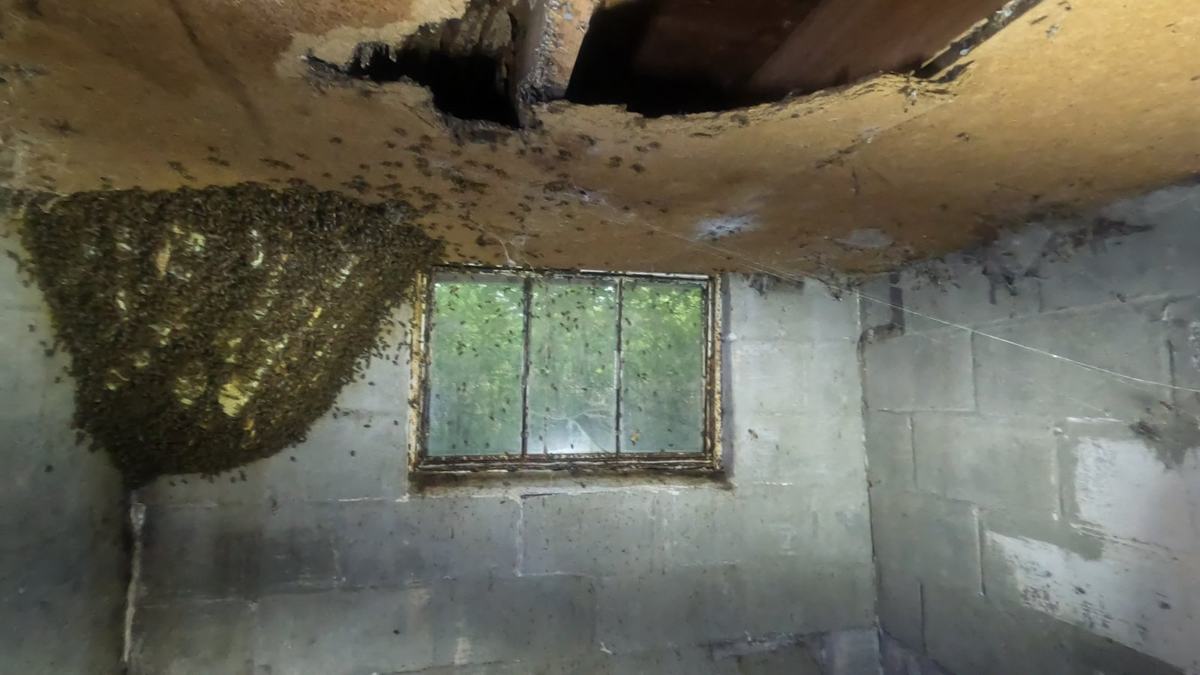
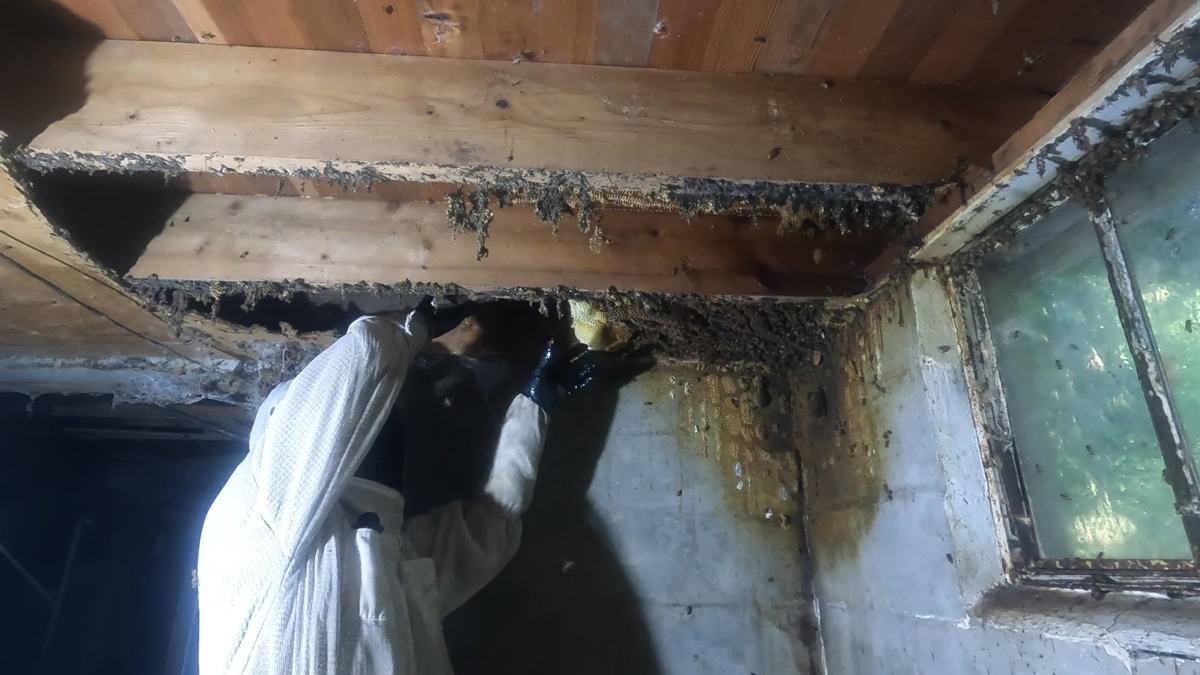
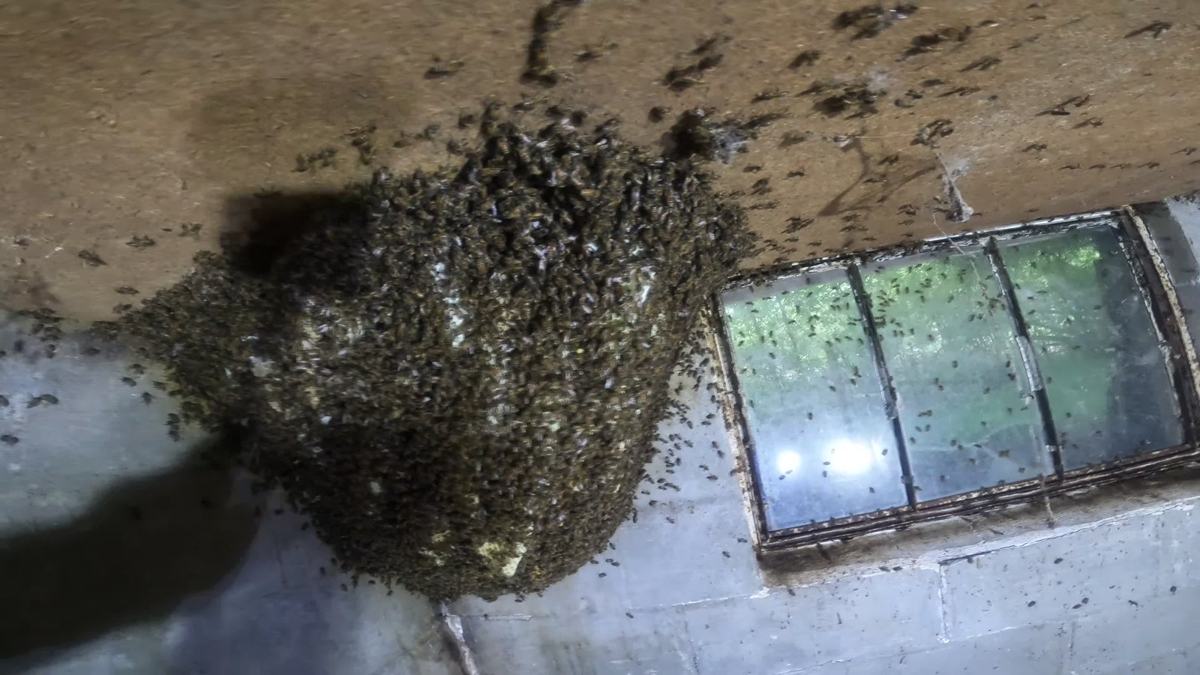
A large honeybee colony hanging from a basement ceiling beside a window
 A real job: an open-air honeybee colony hanging from a basement ceiling.
About Cd Bees

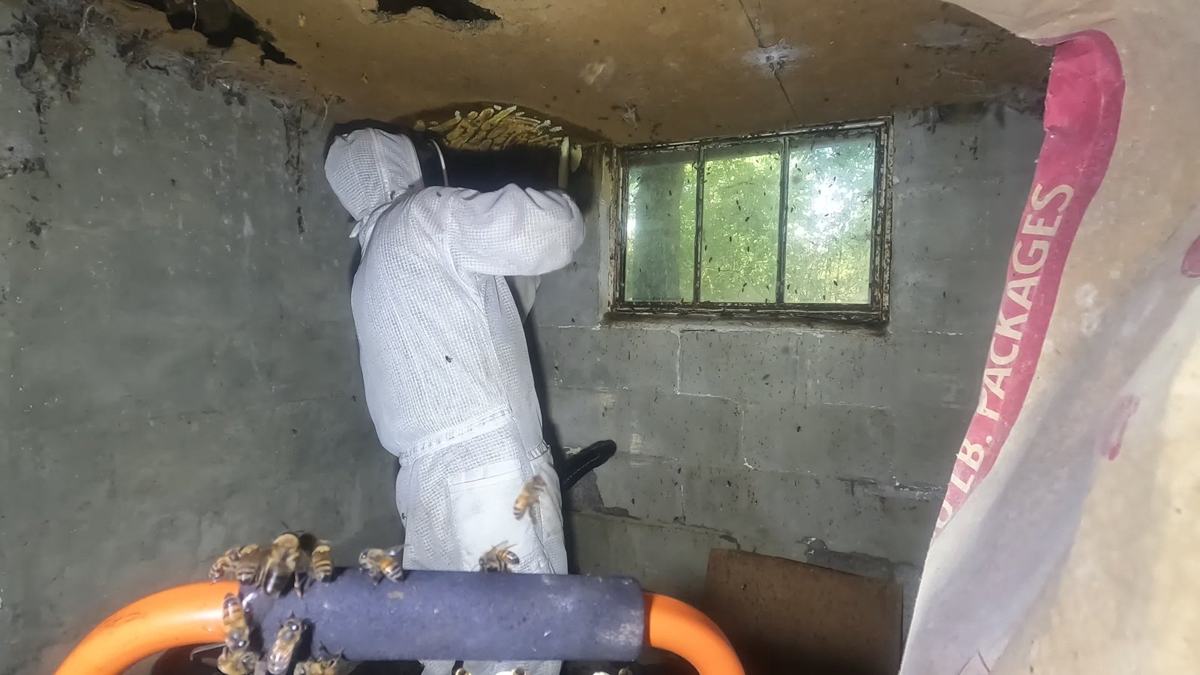
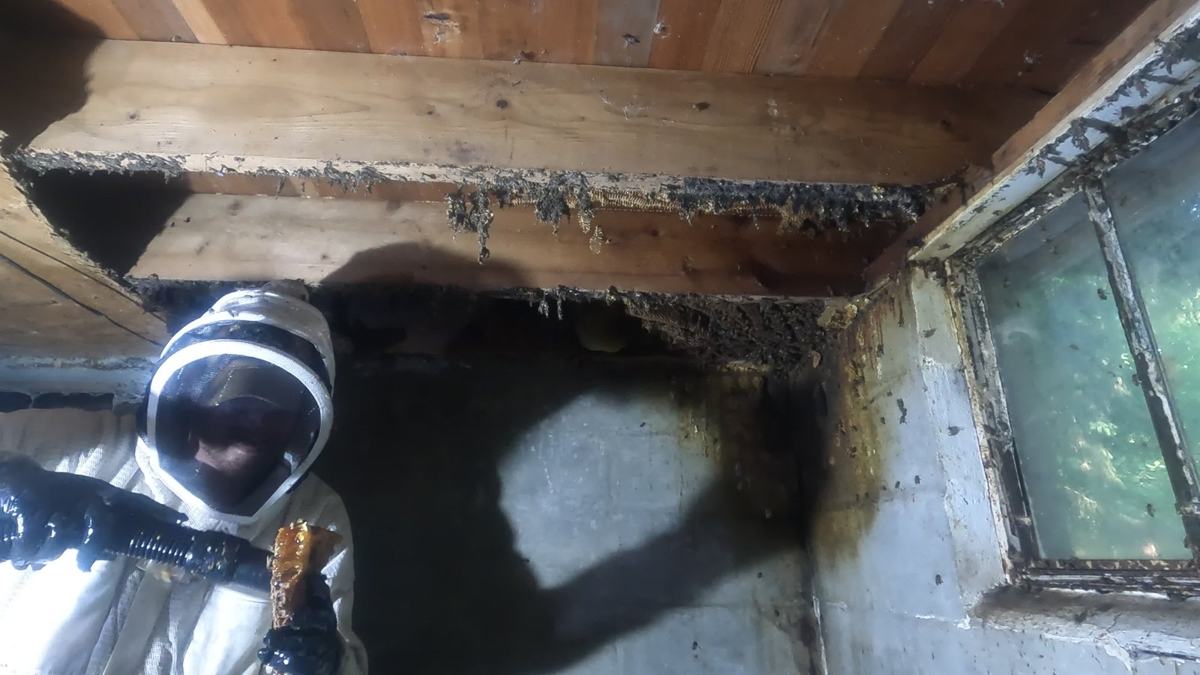
Hands-on, in the suit, on the job.

Cd Bees is Chris's business, based in the Avon, Ohio area and in business for 9 years. Chris holds a pesticide applicator's license, but he does not poison honeybees. Honeybees are always removed alive. There is no call center: you talk to the person who will actually show up. The photos on this page are from real C.D. Bees jobs.

Our approach is simple: figure out exactly what you have, explain your options in plain language, agree on the plan and price with you before any work starts, then do the job carefully and clean up after.

Honeybees get special treatment. A honeybee colony is worth saving, and spraying one inside a wall usually creates a bigger problem (rotting comb, melting wax, honey leaking and attracting other pests). So whenever honeybees are the issue, removal comes first.

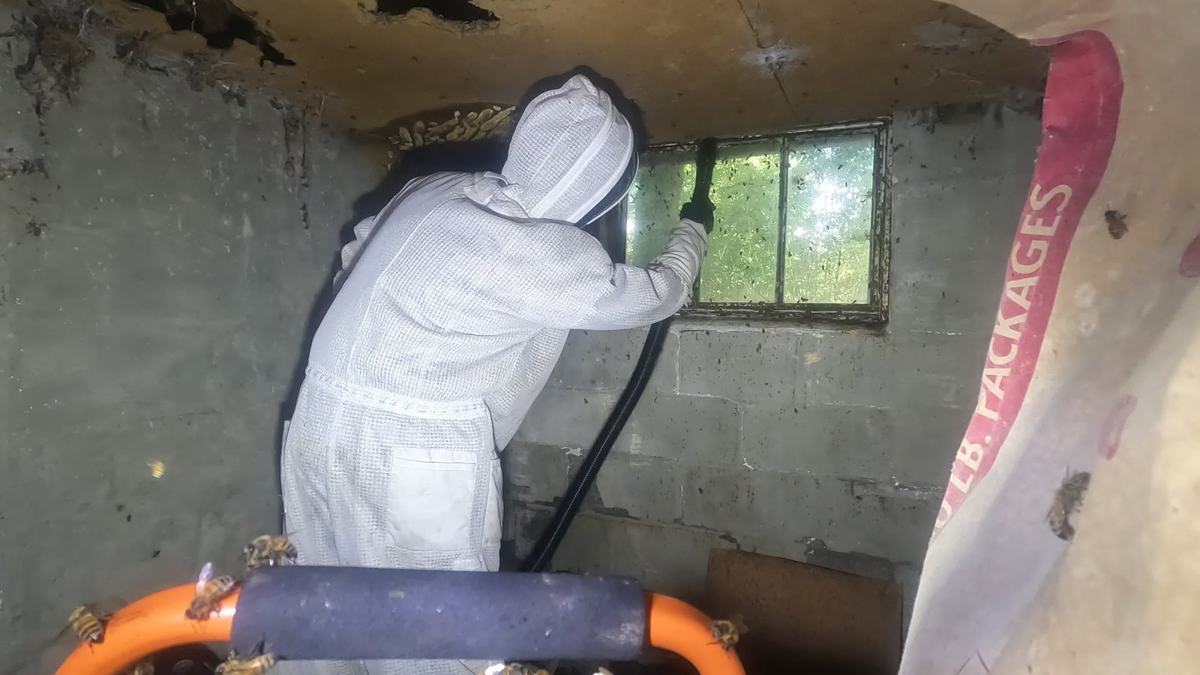
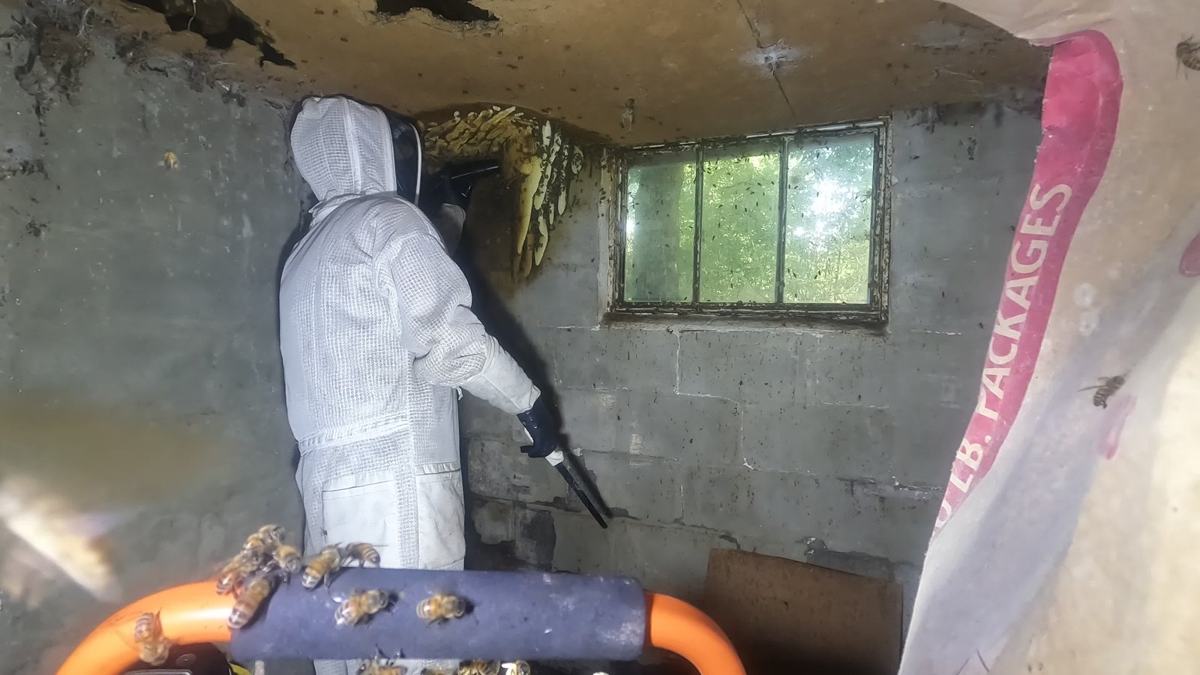
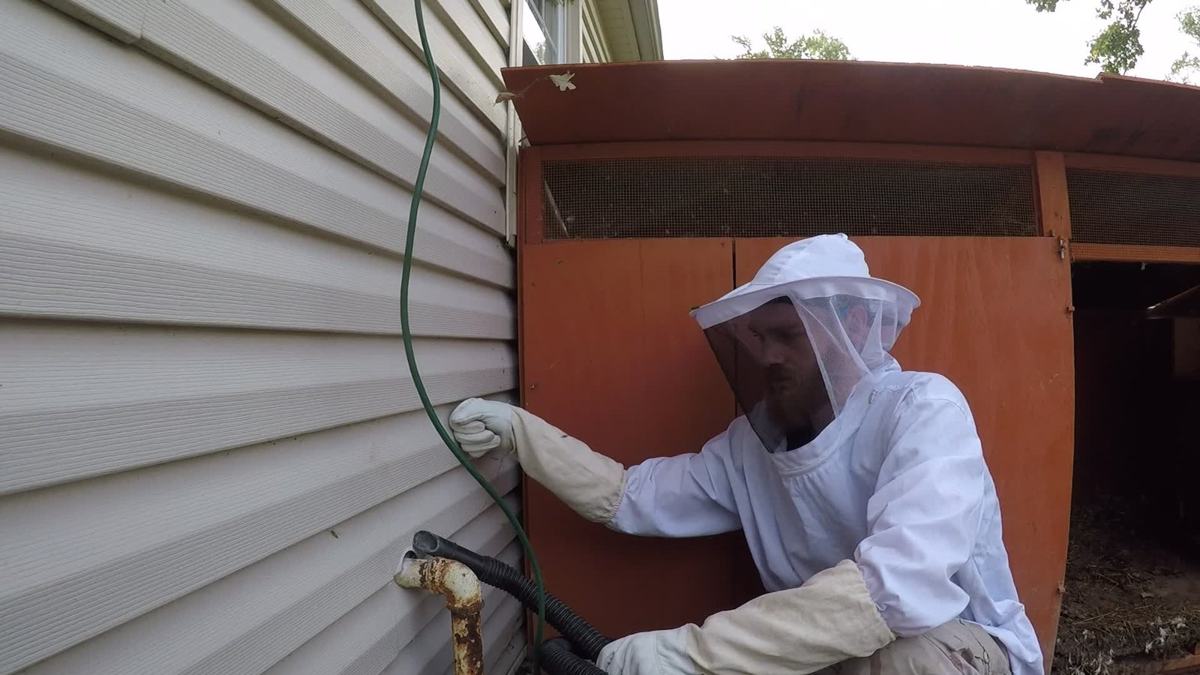
C.D. Bees technician in a full bee suit and veil during a removal
C.D. Bees on the job.
Services

What we do, explained.

Not sure which one fits? Call or text and describe what you're seeing. A photo from a safe distance helps a lot.

Live honeybee removals (cutouts)

We do not poison honeybees. Ever. Honeybees are removed alive, along with their comb.

When a honeybee colony has moved into a structure (a wall, a ceiling, a basement, floor joists, a soffit), the bees are only half the problem. The colony builds sheets of wax comb filled with honey, pollen and baby bees. If only the bees are killed, that comb stays behind, the wax and honey can melt and soak through, and the smell draws in new bees, ants and other pests.

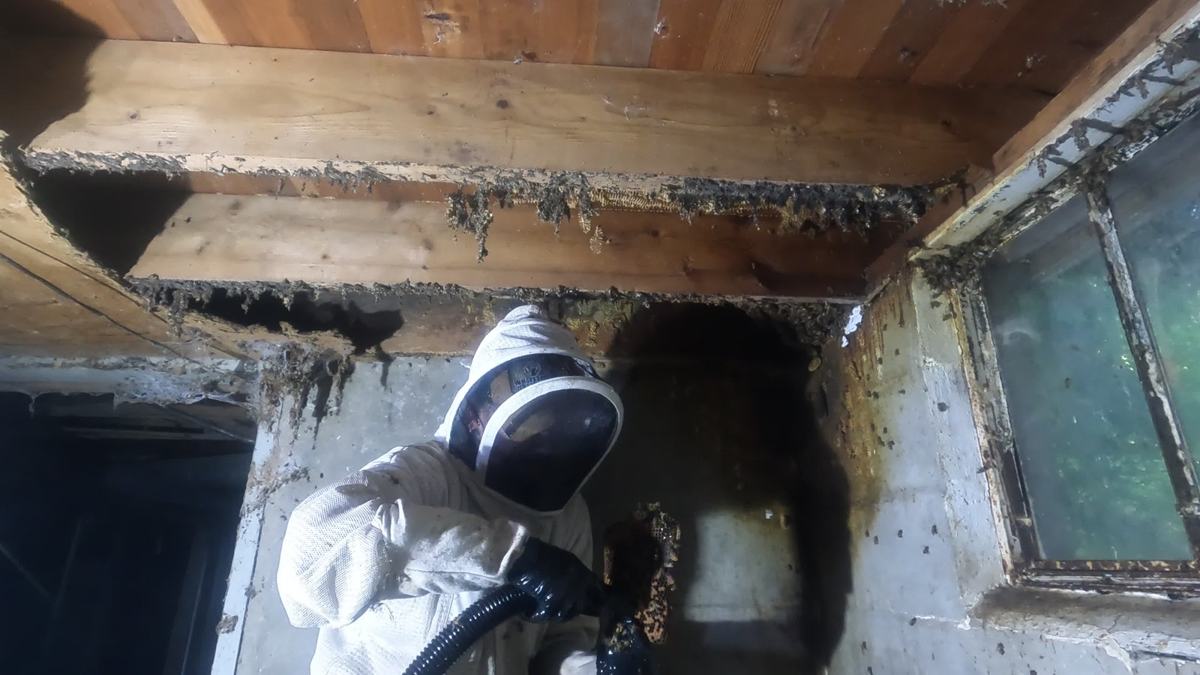
A cutout means we open up the area, remove the bees with a low-suction bee vacuum, cut out every piece of comb, and clean the cavity, so the colony is actually gone. Warrantied until the snow sticks. We don't do repairs afterward: we keep any opening as small as possible and leave the area clean, so your own contractor can close it up.
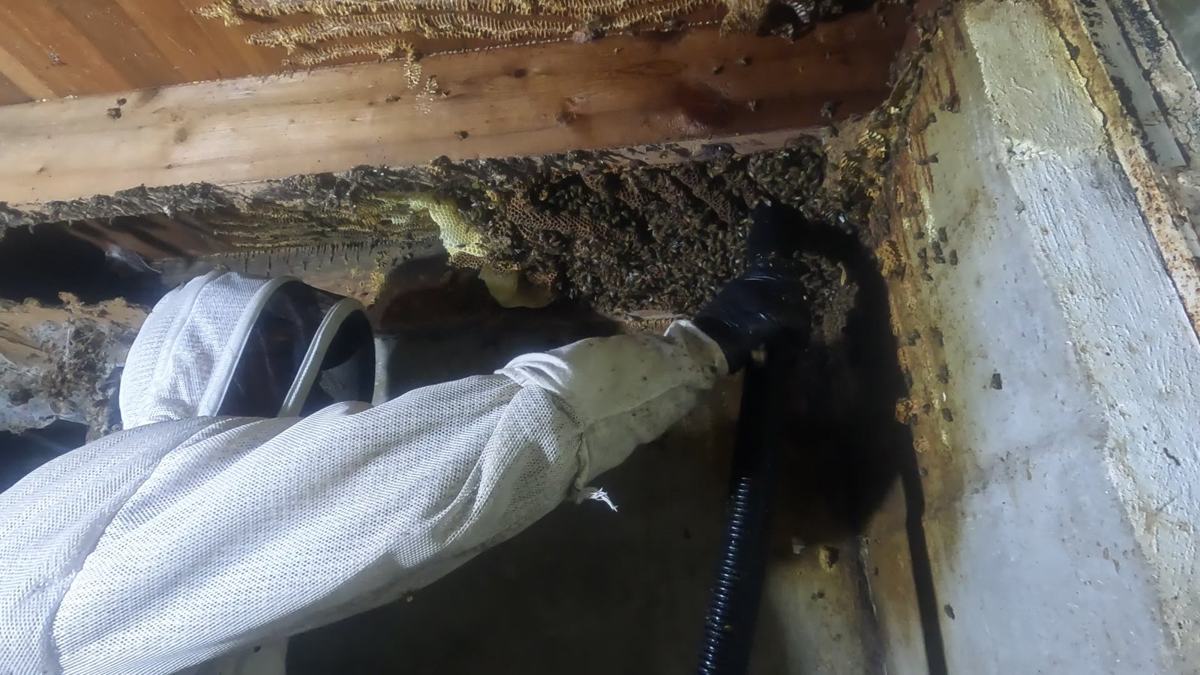
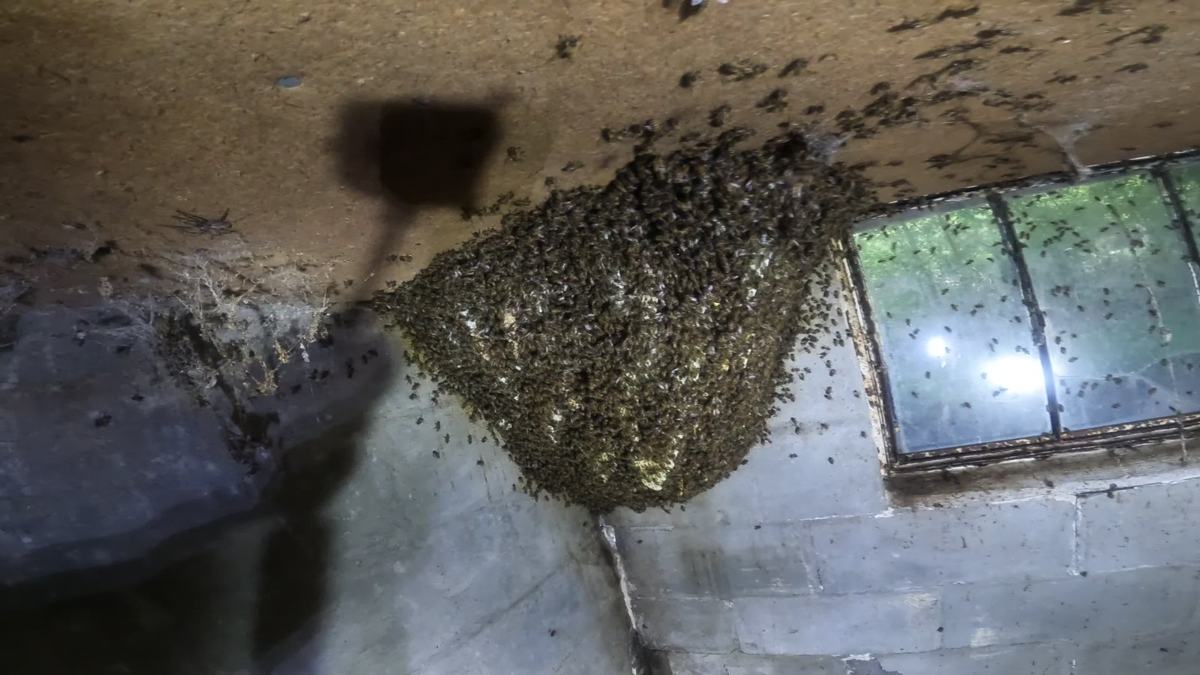
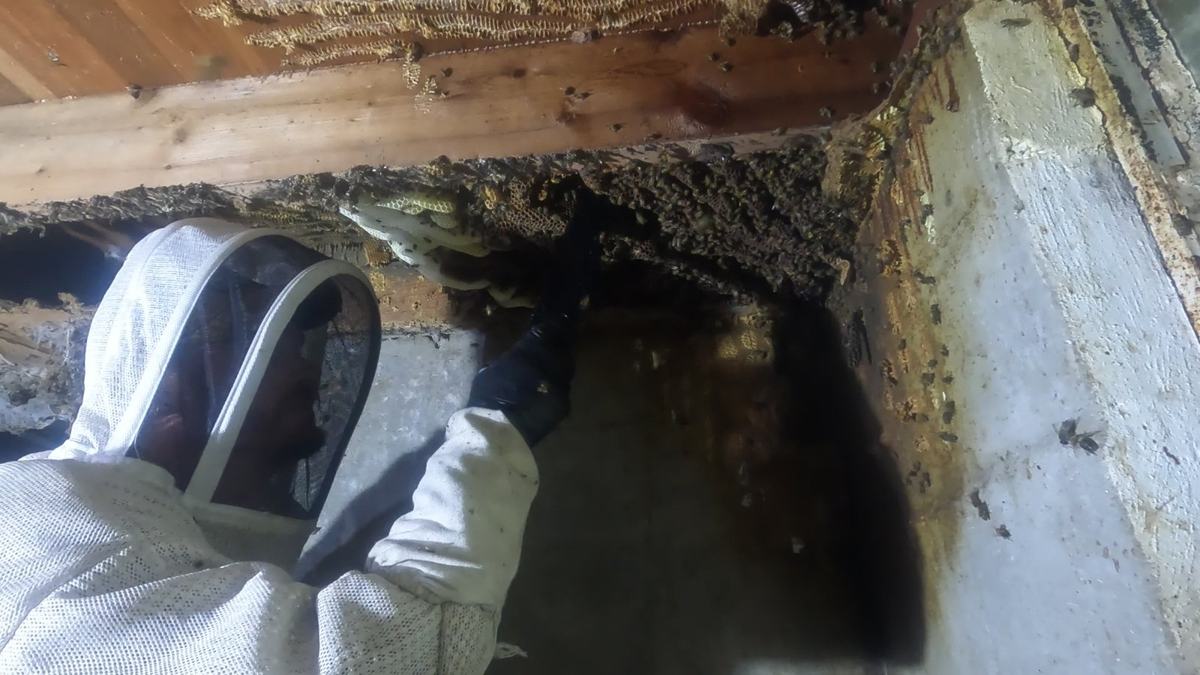
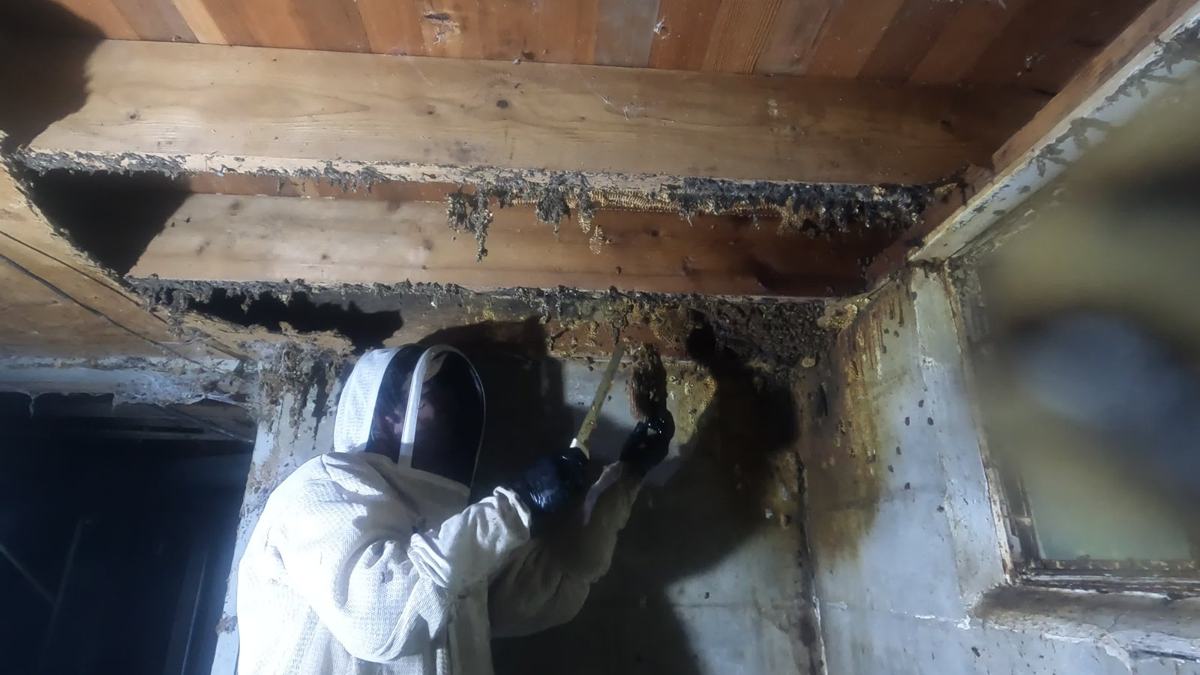
Beekeeper in suit cutting honeycomb out from between ceiling joists

Swarms

A cluster of bees hanging on a branch, fence or eave is usually a swarm resting while scouts look for a new home. Swarms are often calm and may move on in hours or a day or two. If one is sticking around or is somewhere unsafe, call us. See what to do if you have a swarm.

Wasps, hornets & yellowjackets

These are a different story from honeybees. They can sting repeatedly and yellowjackets often nest in the ground or inside walls. We locate the nest, treat it, and remove it where it can be reached. Warrantied until the snow sticks.

Carpenter bees

Large, shiny-black bees drilling perfectly round holes in fascia, decks, eaves and trim. We treat the active galleries and talk with you about sealing and protecting the wood so they don't come back.

Ants

Trails in the kitchen, piles along the foundation, or carpenter ants in damp wood. Baits and targeted treatments matched to the kind of ant you have.

Spiders & general pests

Recurring spiders, crawling insects and other household pests, treated inside and around the outside of the home where they get in.

Rodents

Mice and rats getting into the house, garage or outbuildings. We find where they are coming in and set up a control plan.

Cockroaches

Targeted gel baits and treatments in kitchens, bathrooms and other areas where roaches hide.

Bed bugs

Inspection and treatment of beds, furniture and rooms, with clear instructions for what you need to do before and after.

Wildlife

Animals getting into or under your home. Tell us what you are seeing and where, and we'll talk through options.

Something else?

Describe it. If it's something we don't handle, we'll tell you straight.

How a removal works

A honeybee cutout, step by step.

Every structure is different, but this is what a typical live removal looks like.

You call or text

Tell us where the bees are going in and out, how long you've noticed them, and send a photo if you can do it safely. That alone often tells us whether it's honeybees, wasps or something else.

We look and locate

We find the entrance and figure out where the comb actually is. Bees often travel inside a wall or ceiling, so the hole you see isn't always where the colony is.

Plan and price, agreed up front

We explain what has to be opened (siding, drywall, ceiling, soffit), keeping it as small as possible,, what access we need, and confirm the scope and price with you before any work starts.

Suit up and open it

Full suit and veil. We carefully open the area to expose the comb. People and pets should stay inside or away from the work area.

Bees and comb come out

Bees are collected with a low-suction bee vacuum, then the comb is cut out piece by piece and removed, honey and all.

Clean up and leave it clean

Leftover wax and honey are scraped out so nothing is left to rot or attract the next swarm, and the work area is left clean. We don't do repairs: we keep demolition to the minimum needed and leave the opening ready for your contractor to close.

Why remove, not exterminate

Saving the bees is also better for your house.

  • Honeybees are pollinators. They're important to gardens, crops and the local environment, and a healthy colony is worth keeping alive.
  • Spraying doesn't remove the comb. A colony can hold many pounds of wax and honey. Without the bees cooling and guarding it, it can melt, leak through drywall and ceilings, ferment and stain.
  • Leftover comb attracts trouble. The smell draws in robber bees, new swarms, ants, beetles, moths and rodents.
  • It's a lasting fix. Removing the bees and comb and cleaning the cavity solves the problem instead of postponing it.
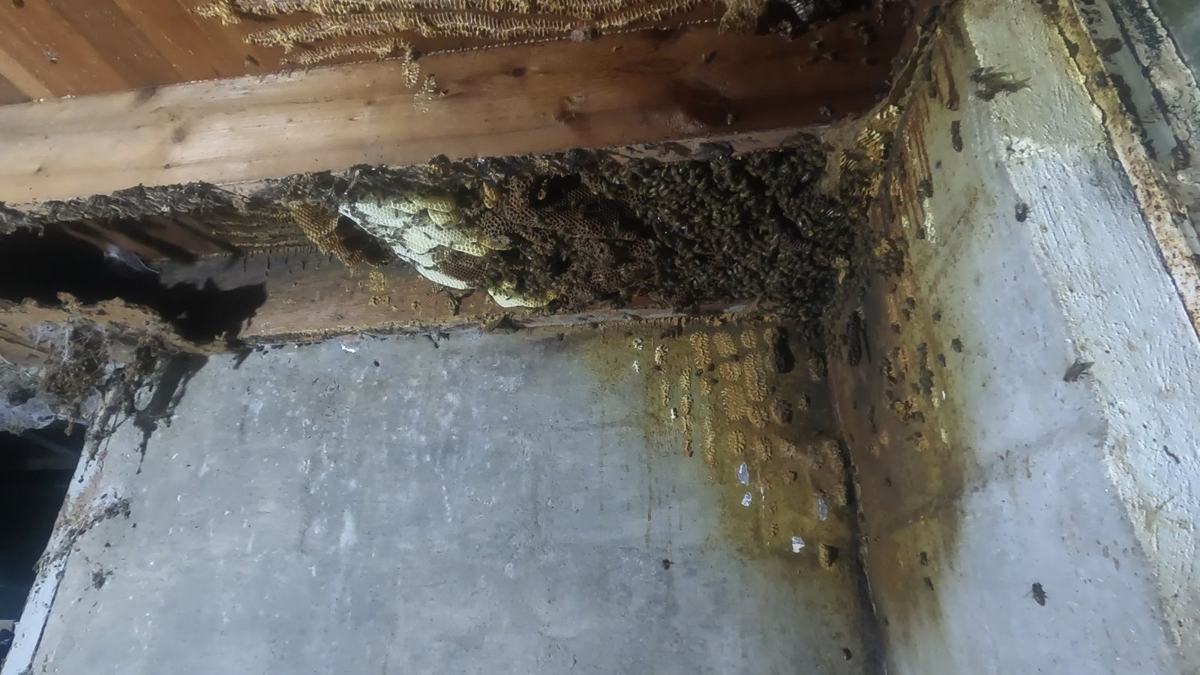
Honeycomb and bees between floor joists
Comb built between joists. This is what is left behind if only the bees are sprayed.
Bee or wasp?

Honeybees vs. wasps, hornets and yellowjackets.

Knowing what you have changes what should happen next. Look from a safe distance.

HoneybeeYellowjacket / waspBald-faced hornetCarpenter bee
LookFuzzy, golden-brown with darker bands, about the size of a fingernailSmooth, shiny, bright yellow and black, narrow "waist"Black and white, larger than a yellowjacketBig and round like a bumblebee, with a shiny bare black rear
NestWax comb inside walls, ceilings, hollow trees; swarms hang in a clusterPaper nests in the ground, walls, eaves, shedsLarge grey paper "football" in trees, shrubs or eavesRound holes drilled into wood
BehaviorGenerally calm away from the nest; busy traffic at one entranceDefensive near the nest, attracted to food and sweet drinks in late summerVery defensive of the nestMales hover and bluff but can't sting
What we doLive removal of bees and combLocate and treat the nestTreat and remove the nestTreat galleries, advise on sealing wood
Got a swarm right now?

What to do if you see a swarm.

  1. Stay calm and keep your distance. Keep kids and pets inside. Swarming bees have no home to defend and are usually gentle, but don't poke, spray or throw things at them.
  2. Don't spray it or use water. That only makes bees angry and scatters them, sometimes into your walls.
  3. Take a photo from a safe distance and note where it is and how high up.
  4. Call or text us. Swarms often leave within hours to a couple of days. If it's still there or bees are going into the house, that's the time to act fast, before they build comb inside.
Bees going in and out of a hole in your house? That's no longer a swarm, that's a colony moving in. The sooner it's removed, the less comb there is to cut out.
Allergic or stung many times? Call 911. Don't wait for a pest service.
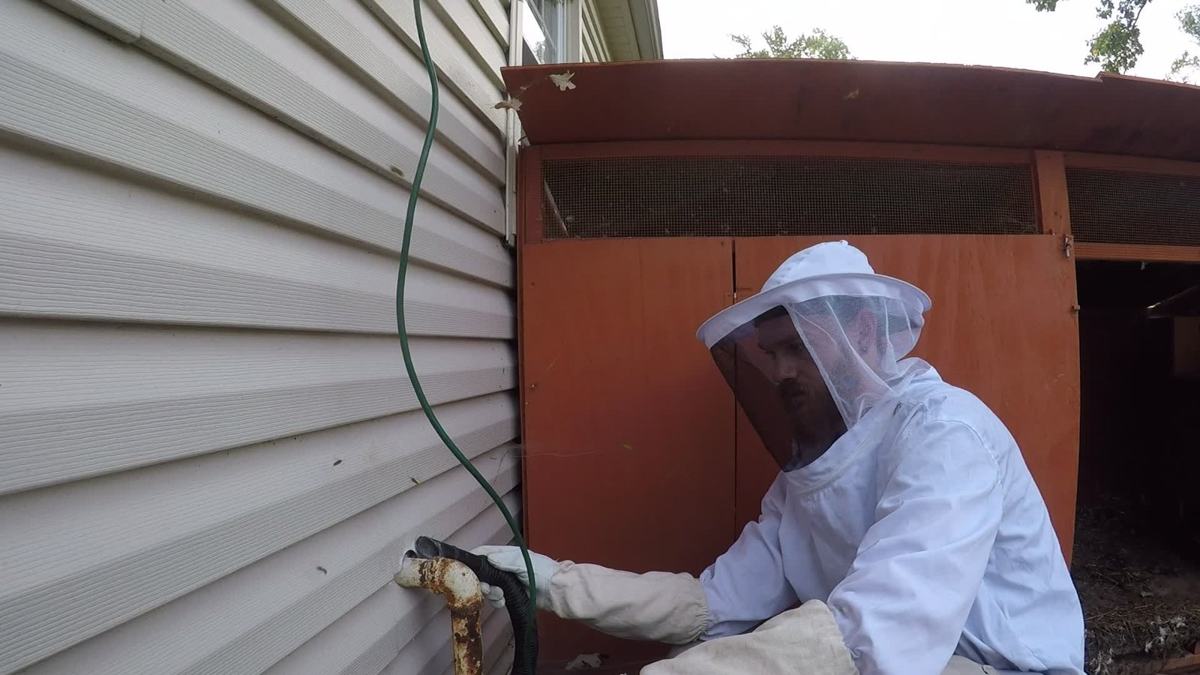
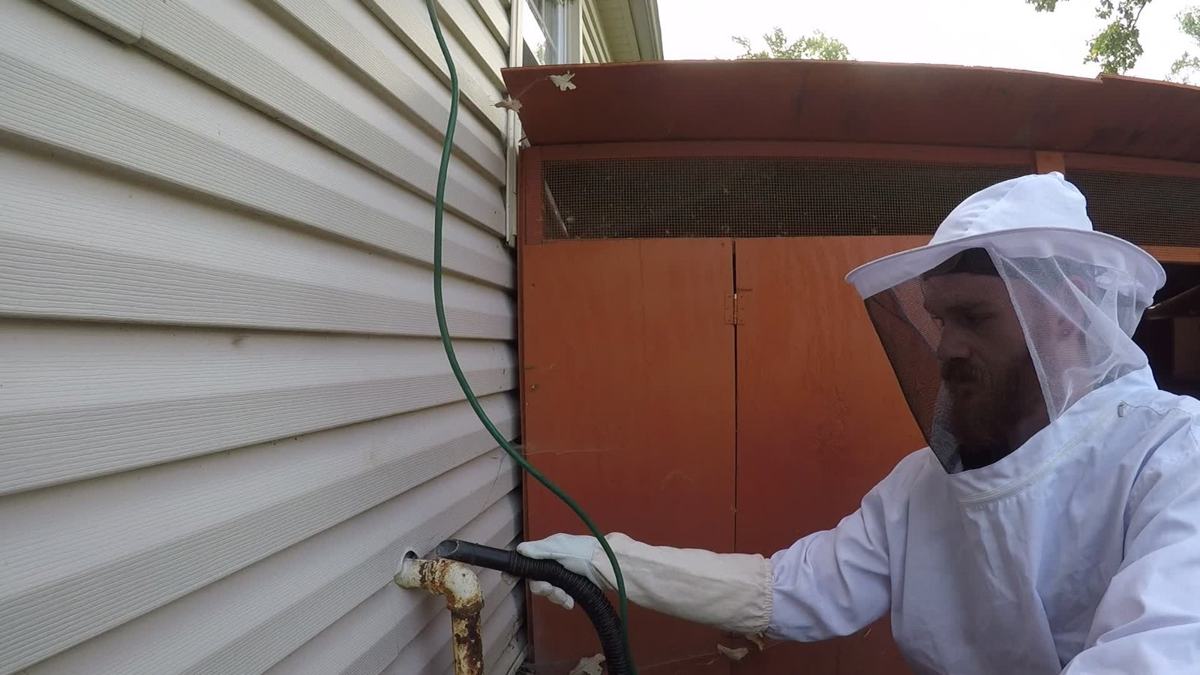
Beekeeper in suit inspecting where bees enter the siding of a house
Checking where bees are getting into the siding.
Reviews

What customers say.

Real reviews from the C.D. Bees LLC Google Business Profile (5.0 stars, 21 reviews).

★★★★★
"Yellow jackets made a nest in a nasty little floor space under our sunroom. A neighbor told me about C.D. Bees. Chris came out the same day and quickly resolved the problem... no more yellow jackets. Very knowledgeable and professional.... it seemed to me like he would have a plan for any situation, and he guarantees his work. And another bonus, he also rescues honeybees!"Dave H.
★★★★★
"Chris was amazing!!! We had a huge hornets nest that he quickly and safely removed. He gave us advice and was super helpful. He also is very friendly and professional. We will definitely continue to use his service for our needs in the future. Thanks again Chris!"Jennifer J.
★★★★★
"Had some yellowjackets decide to make a nest in the siding of my house, They came out a few hours later and took care of it. Was only here 30 min and 24 hours there is no activity highly recommend."Timothy A.
★★★★★
"Chris was incredibly kind, great at communicating, and was able to come out same day to take care of a yellow jackets nest. Would definitely call him again in the future!"Google reviewer
★★★★★
"Highly recommend! Excellent service, great communication, knowledgeable and informative! Refreshingly great!"Moe J.
Service area

Avon and nearby Lorain County communities.

Cd Bees serves Avon and nearby Lorain County communities. Not sure if you're in range? Call, text, or send a request with your address and we'll confirm.

FAQ

Common questions.

Will you just spray the honeybees?

No. With honeybees inside a structure, spraying leaves the comb, honey and wax behind, which can melt, leak, smell, and attract new pests. Removal of the bees and comb is the real fix.

Do you have to open my wall or ceiling?

Usually, yes. That is the only way to get the comb out. We keep the opening as small as possible and agree on it with you before we start.

Is your work guaranteed?

Bee, wasp and hornet work is warrantied until the snow sticks — not just the first flurry. Anyone who's lived around Cleveland knows a few flurries don't mean winter's here — so we wait until the snow actually sticks. If they come back before then, call or text us.

Do you repair the wall afterward?

No, we don't do repairs. We keep any demolition minimal and leave the area clean, so a contractor or handyman can close it up.

Will you kill the honeybees?

No. We never poison honeybees. They are always removed alive.

When are you available?

Available 7 days a week — call or text anytime.

How much does it cost?

It depends on where the bees are, how big the colony is, and how much has to be opened. Scope and price are confirmed with you before any job is booked, so there are no surprises.

Is that swarm on my tree dangerous?

Swarms are usually calm and often move on by themselves. Keep people and pets away, don't spray it, and call or text us if it stays or if bees start going into your house.

How do I know if it's honeybees or wasps?

See the comparison table above. Honeybees are fuzzy and golden-brown; yellowjackets and wasps are smooth and shiny bright yellow and black. A photo sent by text is the easiest way to be sure.

Does sending the form book an appointment?

No. It's a request for follow-up. We'll call or text to confirm details, price and timing with you.

What should I do before you arrive?

Keep kids and pets away from the area, don't spray or seal the entrance (that can push bees into the house), and make sure we can reach the area.

Contact

Talk to Cd Bees.

Available 7 days a week — call or text anytime. Calling is fastest. Texting a photo is the easiest way to show us what you've got.